
Invisible Rooms: Mastering Fragrance Boundaries in Open Homes
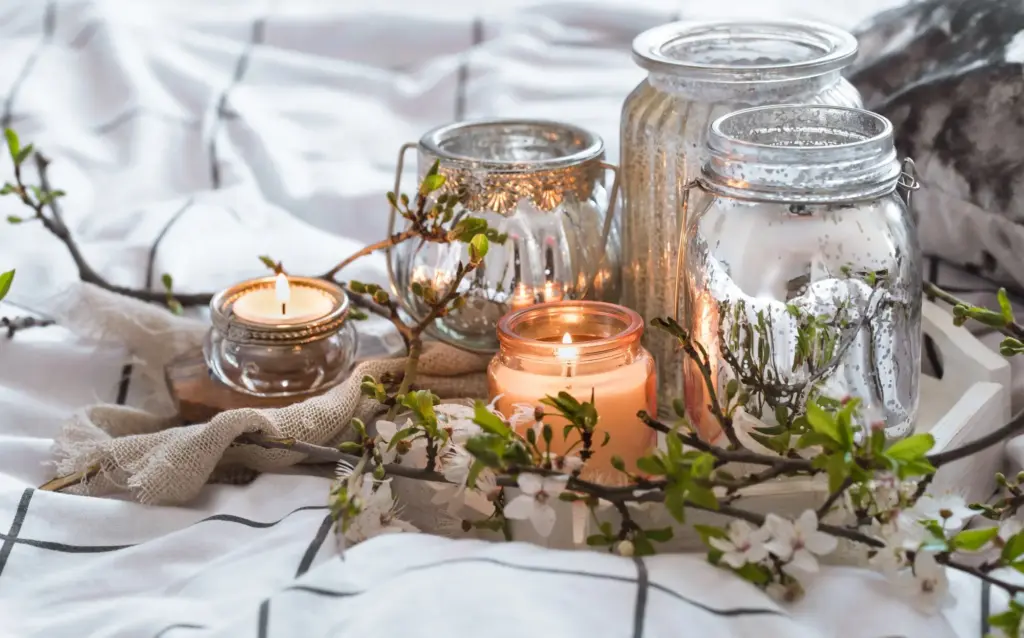
Step into a welcoming guide that explores scent zoning in open-plan homes with coordinated candle arrangements, turning a single, flowing area into distinct experiences without walls. We’ll map fragrances like furniture, harmonize intensities, and choreograph airflow so gatherings feel lively, meals feel bright, and unwinding feels deeply calm—all while staying safe, elegant, and delightfully personal.

How Your Brain Reads a Room by Scent

Fragrance talks directly to emotion and memory, steering attention faster than décor. In open spaces, gentle contrasts between zones prevent nose fatigue, helping people reset as they cross thresholds. Use distinctive yet related families so transitions feel intentional, cueing conversation, appetite, and relaxation without overwhelming sensitive noses or masking meaningful moments.

Reading Airflow Like a Designer

Observe where warm air rises, where drafts sweep, and how vents or ceiling fans redirect currents. Candles placed just off airflow lines diffuse steadily rather than sprinting fragrance down a corridor. Position anchors upwind, bridges midstream, and accents downstream to stage subtle reveals, avoiding hotspots that shout and cold corners that vanish.

Building a Coordinated Candle Palette

Like a wardrobe, a candle palette works when pieces mix effortlessly. Choose complementary families, balance top, heart, and base notes, and consider burn strength for room size. Plan an anchor fragrance, a connective bridge, and rotating accents, so the space adapts from morning brightness to dinner intimacy without clashing personalities.

Anchor, Bridge, Accent: The Trio That Sings

Set a calm, steady anchor—perhaps soft woods, tea, or cotton—that defines the room’s heart. Add a bridge with shared ingredients, such as lavender linking citrus and cedar. Finish with accents used sparingly, like basil in the kitchen or cardamom by the bar, punctuating moments while keeping everything musically in key.

Wax, Wick, Vessel: Engineering the Throw

Soy tends to burn cooler with gentle throw, coconut-soy blends boost diffusion, and beeswax offers purity with subtle warmth. Cotton wicks feel mellow; wood wicks crackle and widen melt pools. Vessels shape airflow: narrower jars focus, wider bowls bloom. Match construction to zone size so balance, not brute force, carries fragrance beautifully.

Kitchen Energy Without Lingering Clutter

Lift greasy notes with zesty citrus, green tea, or verbena near prep zones, supported by basil or rosemary on calmer days. Keep intensity slightly higher here to compete with cooking, then taper quickly toward dining. Choose clean-burning formulas that extinguish without smoke, maintaining freshness even when the stovetop has worked hard.

Dining That Frames Flavor, Not Fights It
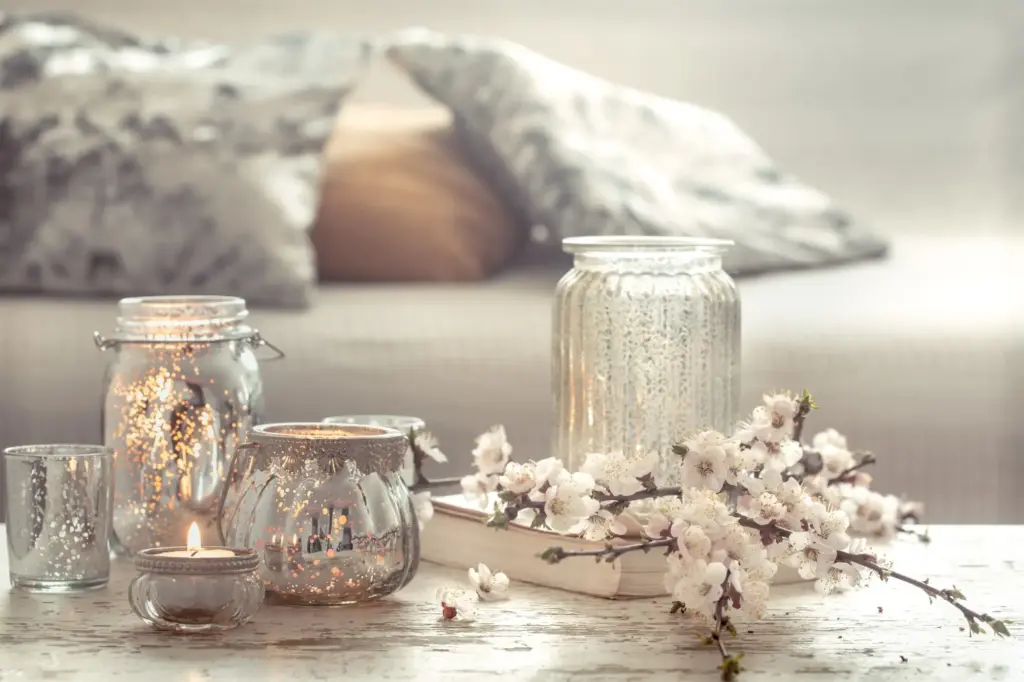
At the table, avoid loud florals that rival the meal. Look to soft gourmands—vanilla bean, toasted almond, faint caramel—or delicate spice like pink pepper to amplify warmth. Use unscented tapers for visual glow, then light a subtle companion nearby to cradle conversation without commandeering the palate or perfuming the plate.

Placement, Performance, and Peace of Mind

Great placement respects architecture and safety as much as scent. Stage candles where sightlines guide movement, away from curtains and traffic, and use heatproof trays to protect surfaces. Consider pets, kids, and air purifiers. Test burn times, note pooling behavior, and pace relights to keep fragrance consistent without fatigue or risk.

From Warehouse Loft Chaos to Coherent Calm

A couple in a drafty loft battled clashing odors—espresso, gym gear, last night’s curry. We charted airflow, anchored with oolong and cedar, bridged with lavender, and added basil by the island. Within a week, friends commented that it felt bigger, brighter, and somehow easier to breathe, even with windows closed.

Micro-Zones in a Compact Studio

A graphic designer’s studio had one window and constant projects. We used a tea accord as the steady base, slipped citrus near the desk for focus, and a tiny amber by the bed for evening softness. The palette traveled easily between tasks without ever crowding guests or triggering fragrance fatigue.

Allergies, Pets, and a Gentle Path Forward

A busy household worried about sensitivities and wagging tails. We pivoted to beeswax and very soft botanicals, favoring shorter burns, wide ventilation, and ceramics that shielded flames. The result protected comfort and safety while still suggesting zones, proving that restraint can be just as expressive as loud, lingering perfume clouds.

Stories From Real Rooms

Across lofts, studios, and family homes, thoughtful fragrance plans have reshaped daily rituals. We’ve seen chaotic blends replaced by gentle progressions that anchor routines and hospitality. These snapshots share mistakes and breakthroughs, showing how coordinated candles can balance personalities, architectural quirks, and budgets while keeping the heart of a space unmistakably welcoming.

Rituals, Care, and Community

Teach Your Candles to Remember

The first burn sets memory: let wax reach a full melt pool to the edge, preventing tunnels and wasted fragrance. Keep wicks trimmed to reduce soot and stabilize flames. Rotate placements weekly to test diffusion, noting where scent feels generous, where it whispers, and where it unexpectedly transforms the mood.

Keep a Scent Diary and Swap Night

The first burn sets memory: let wax reach a full melt pool to the edge, preventing tunnels and wasted fragrance. Keep wicks trimmed to reduce soot and stabilize flames. Rotate placements weekly to test diffusion, noting where scent feels generous, where it whispers, and where it unexpectedly transforms the mood.

Join In: Share Your Map and Stay Connected

The first burn sets memory: let wax reach a full melt pool to the edge, preventing tunnels and wasted fragrance. Keep wicks trimmed to reduce soot and stabilize flames. Rotate placements weekly to test diffusion, noting where scent feels generous, where it whispers, and where it unexpectedly transforms the mood.