

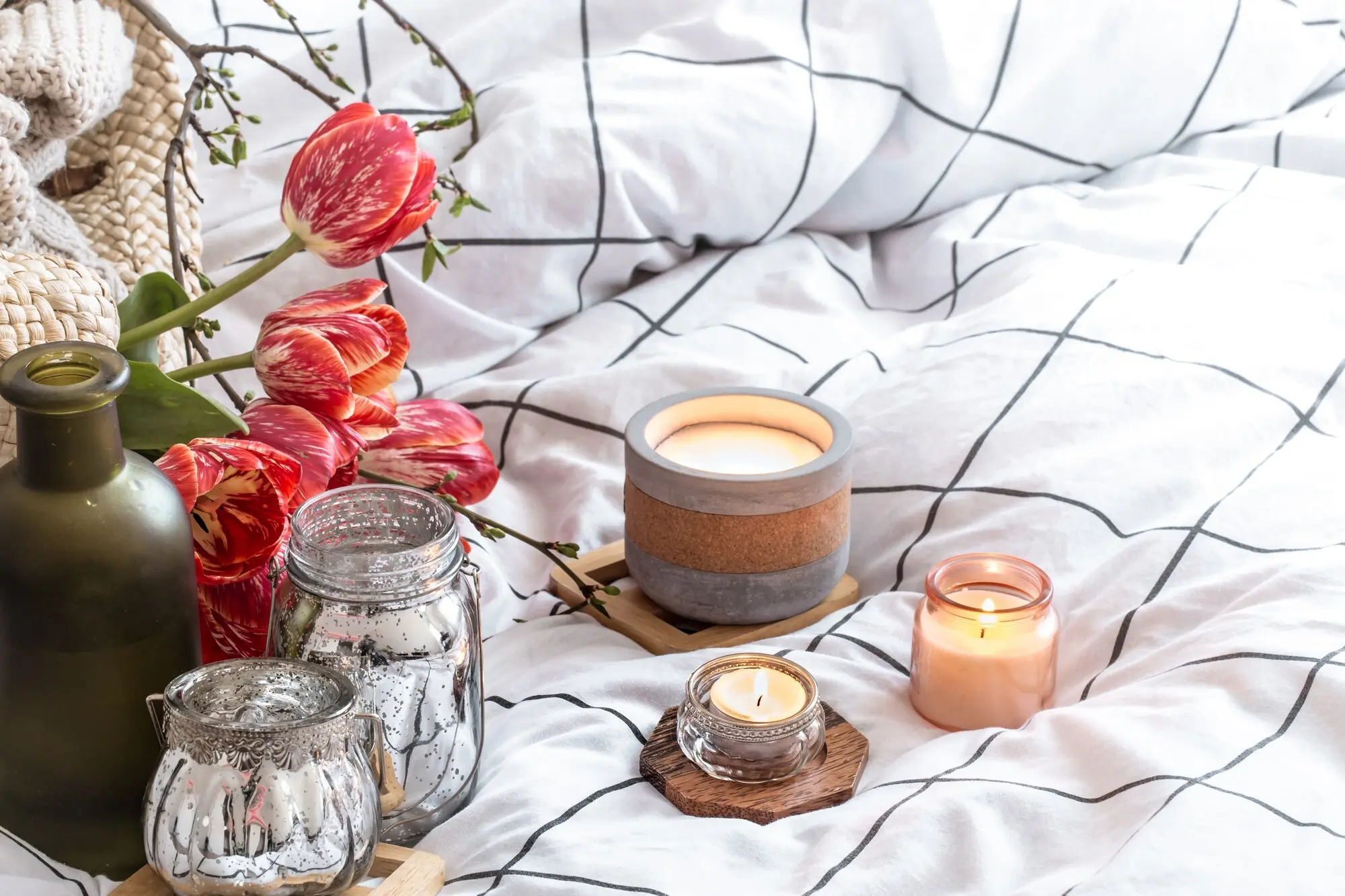
Pair bright citrus top notes with bracing aromatics to lift mornings, then ground evenings using woods, resins, or light smoke that never feels heavy. Keep gourmand accents restrained, letting herbal bridges like rosemary or basil connect freshness to warmth so transitions feel seamless rather than abrupt.
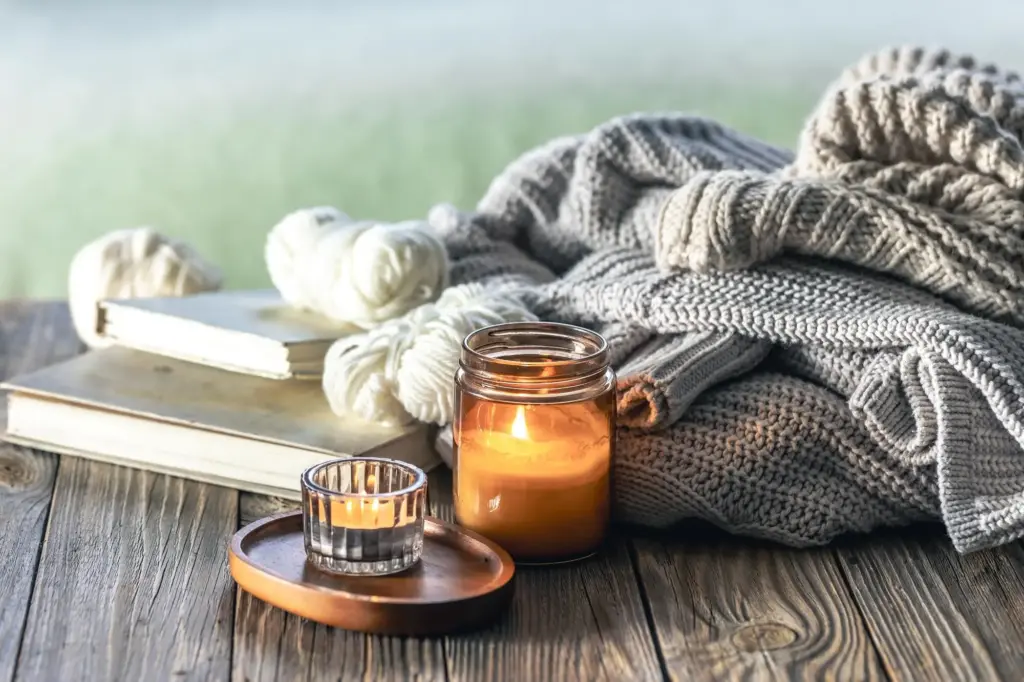
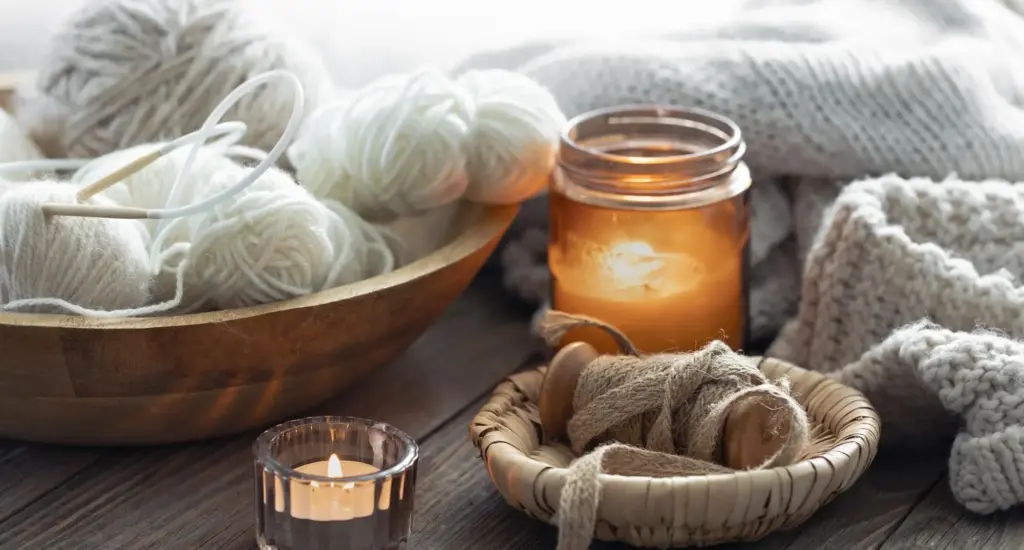
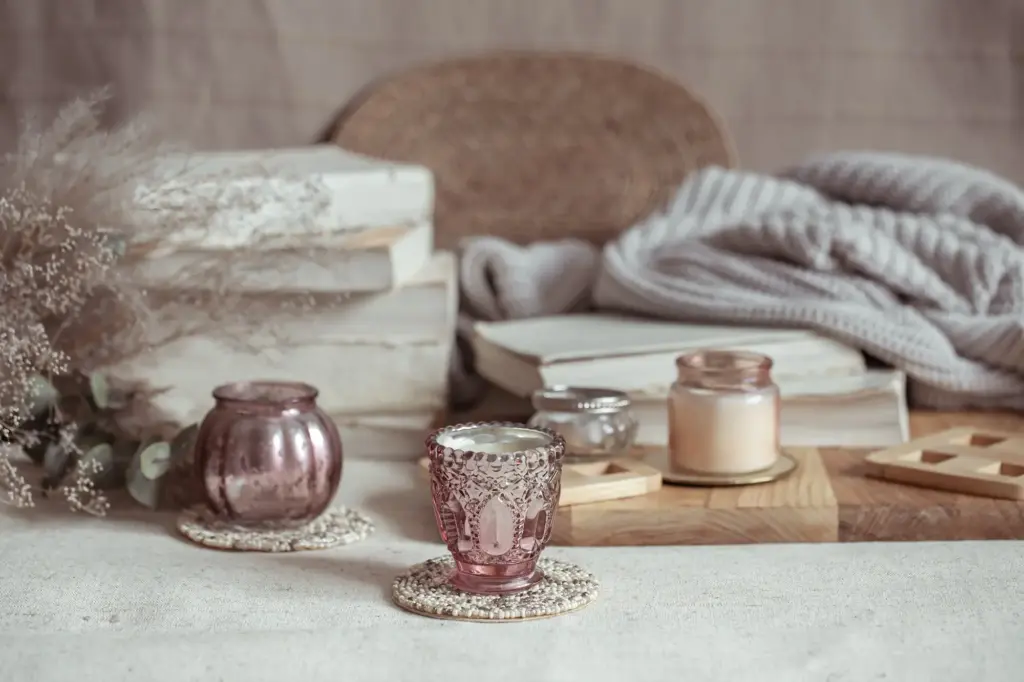
Match wax dyes and vessel hues to wall undertones, not paint names. Cool sea-glass greens flatter north light; warm sand and camel cozy up south exposures. Test by placing samples beside textiles at dusk, when undertones reveal themselves and clashes become painfully obvious.
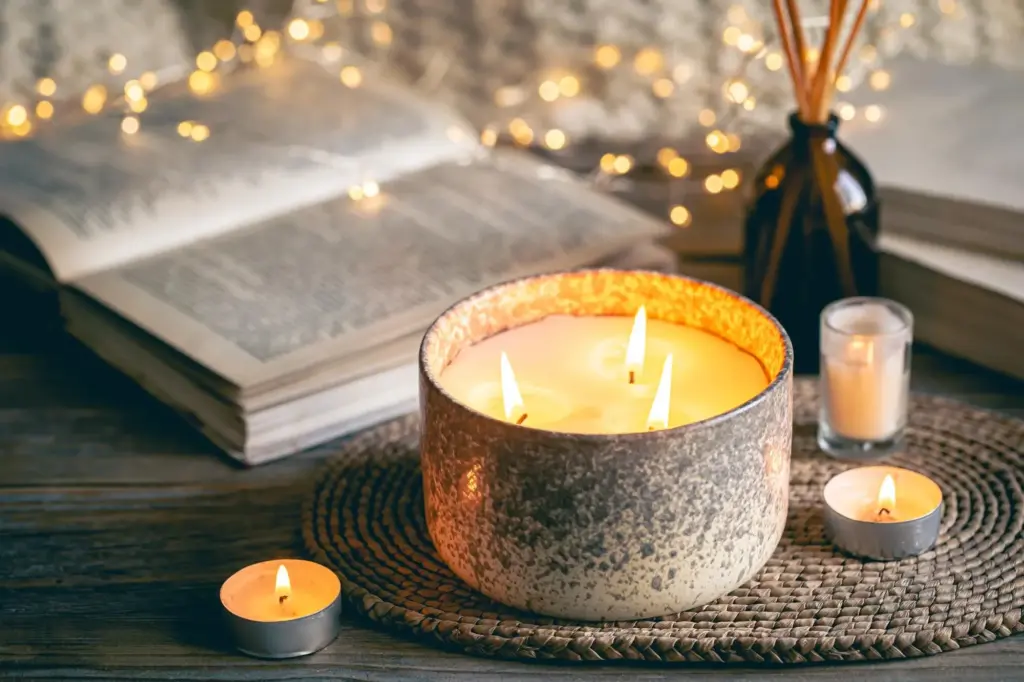
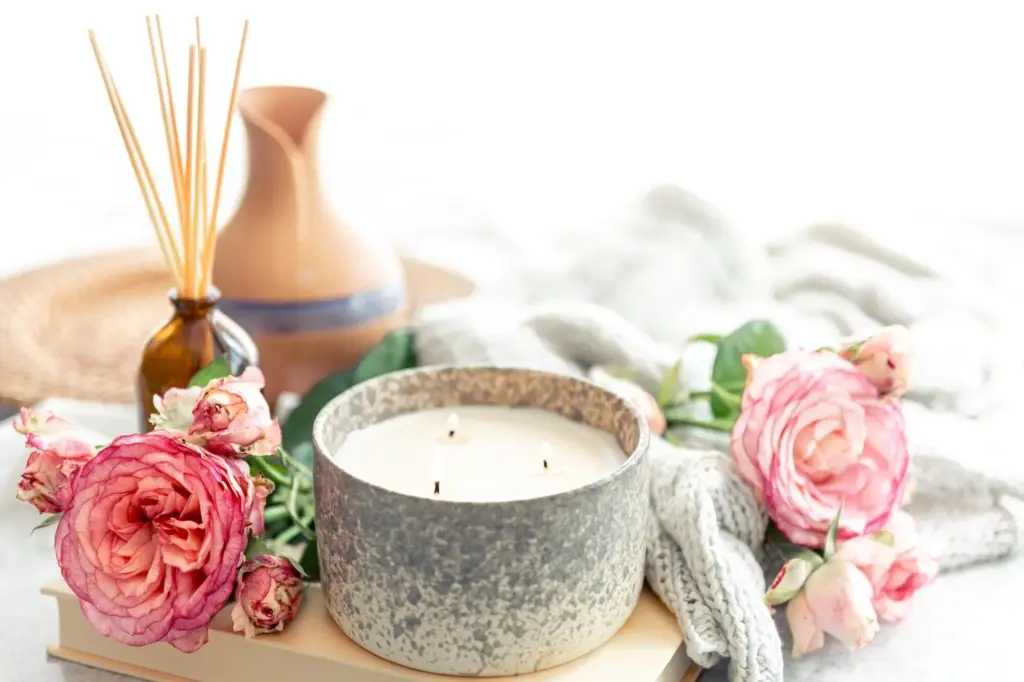
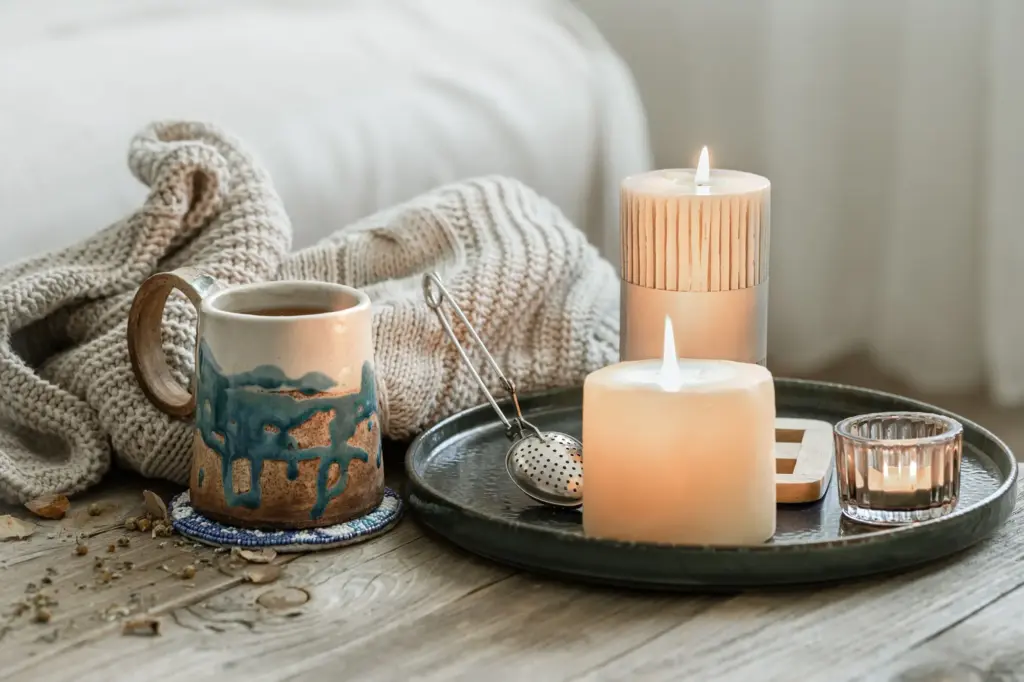
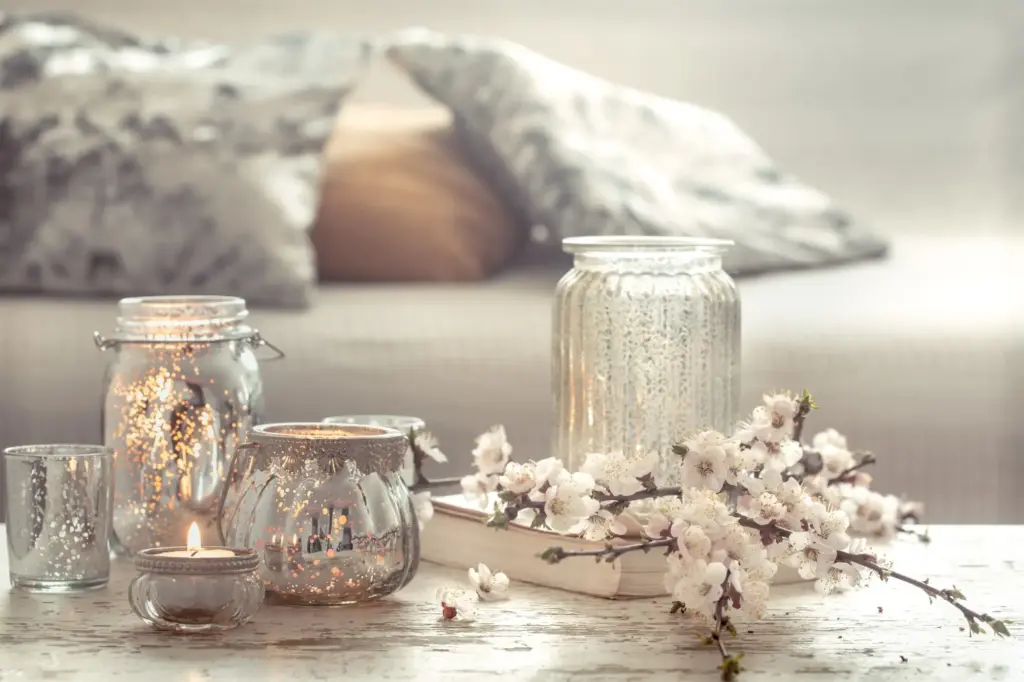
Matte ceramic softens glare in minimal rooms, while smoked glass dramatizes reflections on evening walls. Wider wicks throw more light but can overpower scent balance; slender wicks elongate the flame and suit reflective trays. Mix finishes sparingly, repeating textures to anchor variety within a controlled rhythm.
Blend pine, cypress, or fir with galbanum for bracing greenness, then anchor using cedar, guaiac, or a hint of patchouli leaf. Vetiver’s dry root keeps mud in check. A tiny mushroom accord, used sparingly, evokes leaf litter without drifting into damp-basement territory.
Forested palettes love restraint. Choose matte or sandblasted finishes that mute glare, then group clusters where shadows already live: bookcase recesses, mantel corners, or a low bench. Tame over-bright flames with slightly smaller wicks, allowing scent to lead while light whispers through layered textures.
Stack stumps or stone coasters to lift shorter vessels, creating a forest-floor canopy effect. Mix a tall taper for vertical drama with stable jars for endurance. Keep at least ten centimeters from framed art to prevent soot kisses on glass during cooler, longer burns.


Begin with a three-part approach: a fresh opener, a grounded heart, and a subtle anchor. Record percentages and room conditions. Nudge one variable at a time, honoring patience, because stability across weeks proves more valuable than flashy intensity that collapses by the second burn.
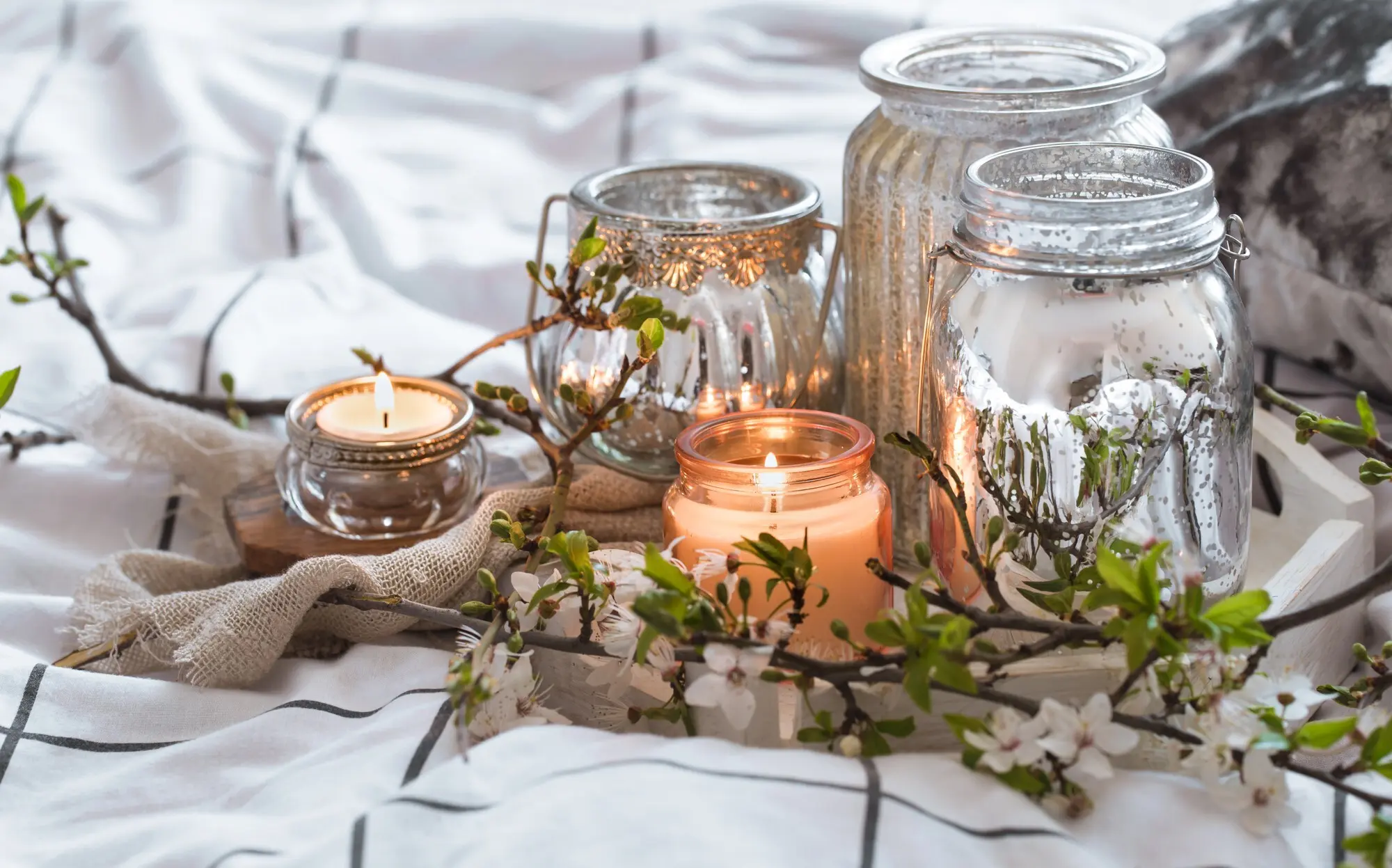
Choose diameter by wax, vessel width, and fragrance load, then test for mushrooming, sooting, and edge cling. Trim before each relight. A cooler burn preserves delicate top notes and protects walls; a too-hot core eats wax messily, rushing through your careful composition.
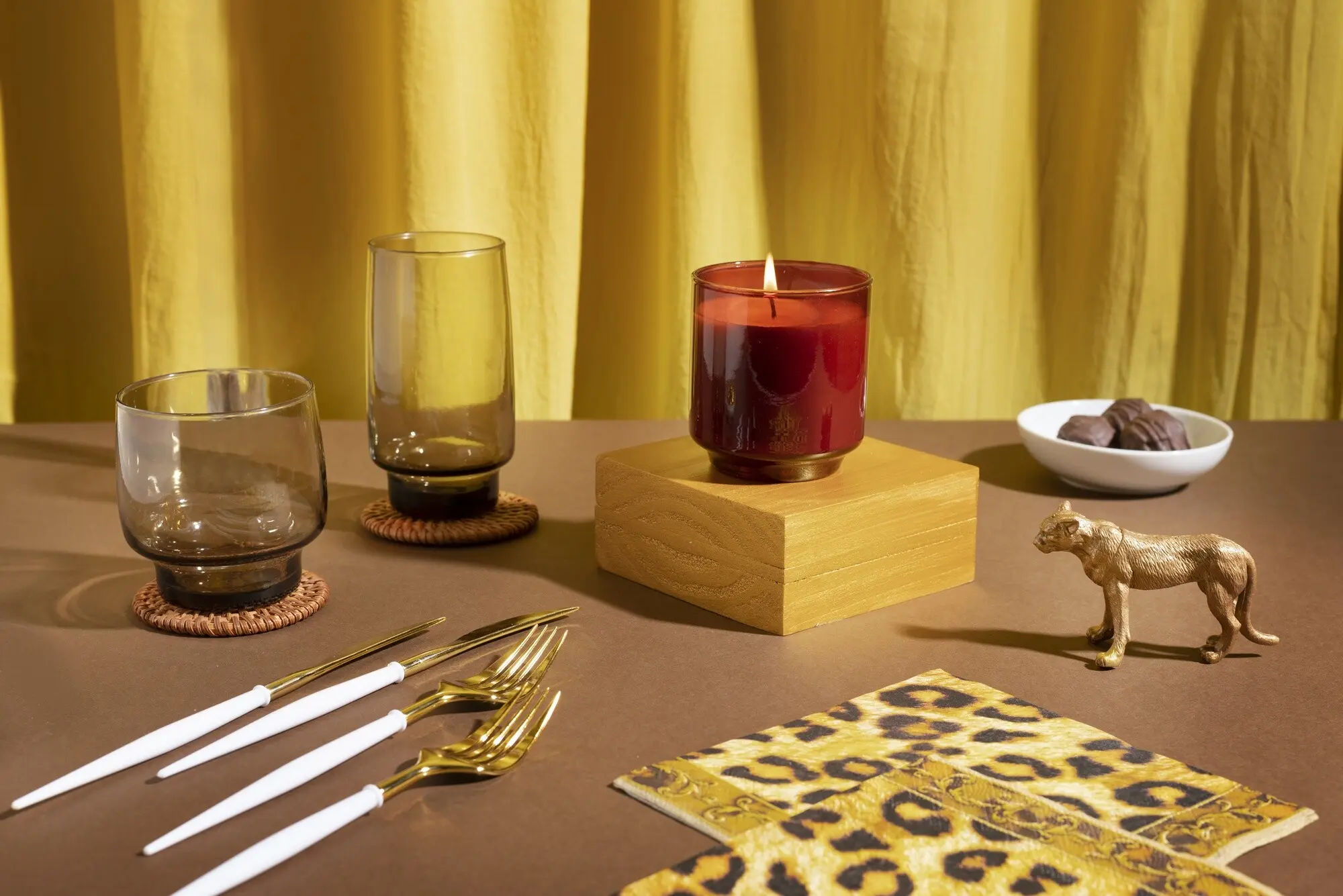
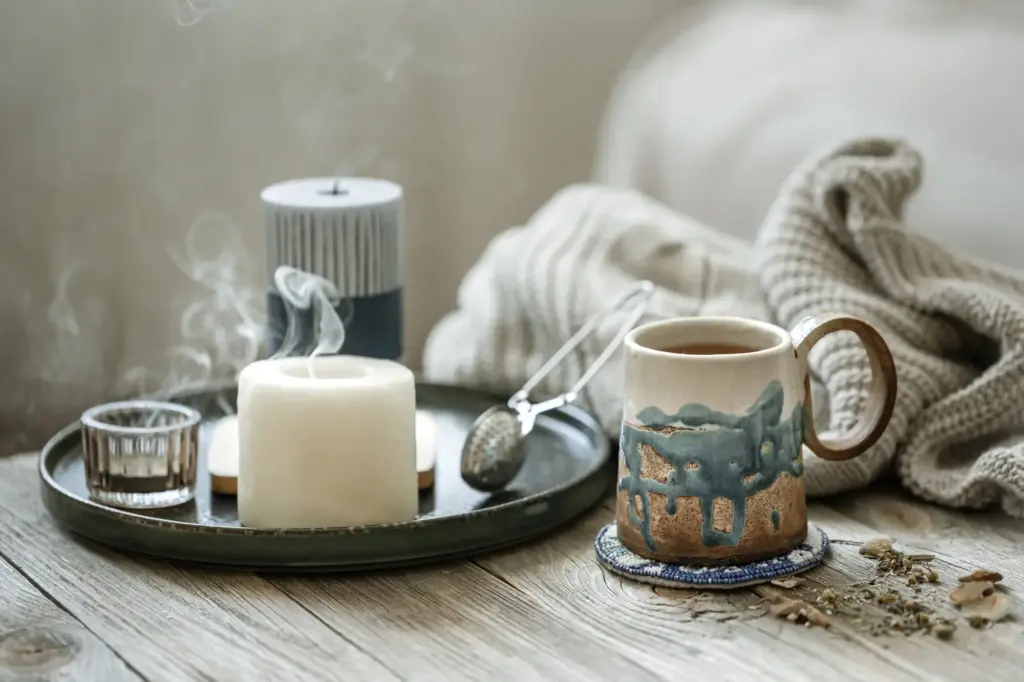
Snuff rather than blow to avoid smoke veils. Store out of sunlight to prevent fading dyes and oxidized perfume. Place felt pads under trays, and leave generous buffer zones around electronics, art, and untreated stone, which can stain irreversibly when oils find hairline pores.
All Rights Reserved.